

- ABOUT US
- CARGO
- PASSENGERS
- MULTIMODALITY
- ECOLOGICAL TRANSITION
- INNOVATION

Reliable, economic and ecological river transport services
Published on - Updated
What is inland waterway transport?
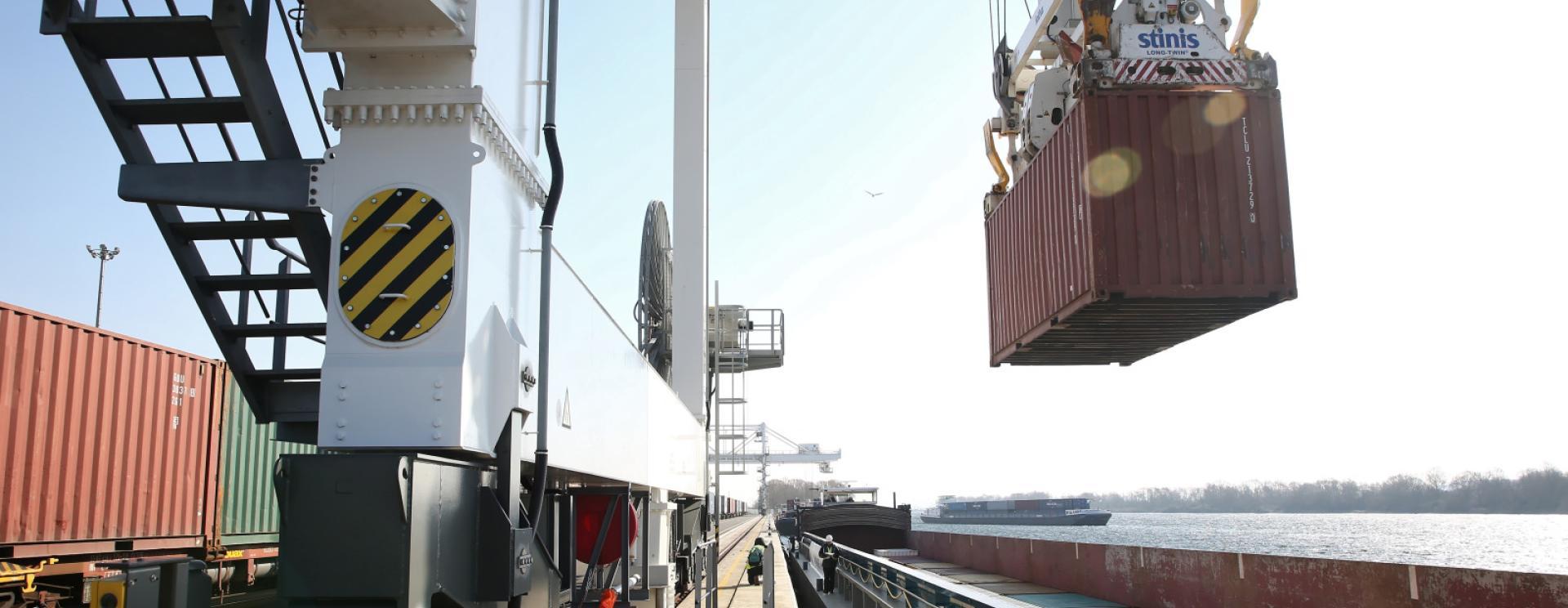
The river mode involves moving goods by water using barges or specialized vessels. Used to transport large volumes over long distances, it is particularly well suited to all types of goods:
- containers (20’, 40’, 45’Pallet Wide (PW), reefer, mobile crates),
- heavy and oversized packages,
- as well as liquid and solid bulk (construction industry loads, recyclable products, agroindustry, including grain, etc.)
It relies on port infrastructure and inland terminals to deliver goods as close as possible to consumption areas.
This mode of transport stands out for its reliability, its capacity for bulk transport, and its low environmental impact, making it a solution particularly well-suited to today’s sustainable logistics challenges.
Did you know? Every year, more than 22 million tons of cargo, including nearly 200,000 TEUs, transit along the Seine. This represents more than 50% of river traffic in France.
HAROPA PORT’s river service
A strategic network along the Seine corridor
HAROPA PORT provides a strategic inland waterway network connecting Le Havre to the Île-de-France region via Rouen:

- more than 700 km of waterways, half of which are wide-gauge,
- an uncongested network, with a river availability rate of 99.5% (navigation/infrastructure from Le Havre to Bonneuil-sur-Marne),
- 100% punctuality with movements possible 24/7/365,
- 24 weekly waterway round-trips per week to 9 destinations along the Seine Corridor.
Tangible benefits for shippers and carriers
- a competitive solution: optimize costs by consolidating transported volumes, supported by:
- advantageous parking allowances
and favorable customs formalities, such as transfers between intermodal terminal facilities (ISTs).
- a sustainable solution:
- up to 4 times less energy consumed than road transport
up to 5 times fewer CO₂ and other greenhouse gas emissions per ton transported
- secure logistics:
- secure inland terminals
reduced risks associated with road transport (accidents, congestion, delays)
- flexible logistics:
- guaranteed transit times
- inland terminals located near consumption areas for fast delivery
Innovative services available to transport operators
Inland waterway information service: the Seine in real time
The EuRIS Portal platform allows boaters, inland waterway transport operators, and logistics partners to view the following information in real time, 24 hours a day, 7 days a week:
- the status of waterways (water levels, clearance under bridges, availability of structures, etc.),
- waiting times;
- as well as navigation incidents and disruptions.
An essential tool for planning and optimizing river routes!
Connecting to water and electricity during a stopover
As part of the Borne&Eau® program, HAROPA PORT and Voies Navigables de France are equipping several quays along the Seine with water and electricity supply terminals, allowing cargo and river cruise ships to connect during their stopovers.
A service that helps to:
- reduce emissions from auxiliary engines,
- limit noise and odor pollution,
- and lower fuel consumption.
This program, supported by the European Union and the Île-de-France Region, is accelerating the energy transition in river transport.
By the end of 2026, 96 terminals for cargo ships and 36 terminals for river cruise ships will be in service.
They have placed their trust in us
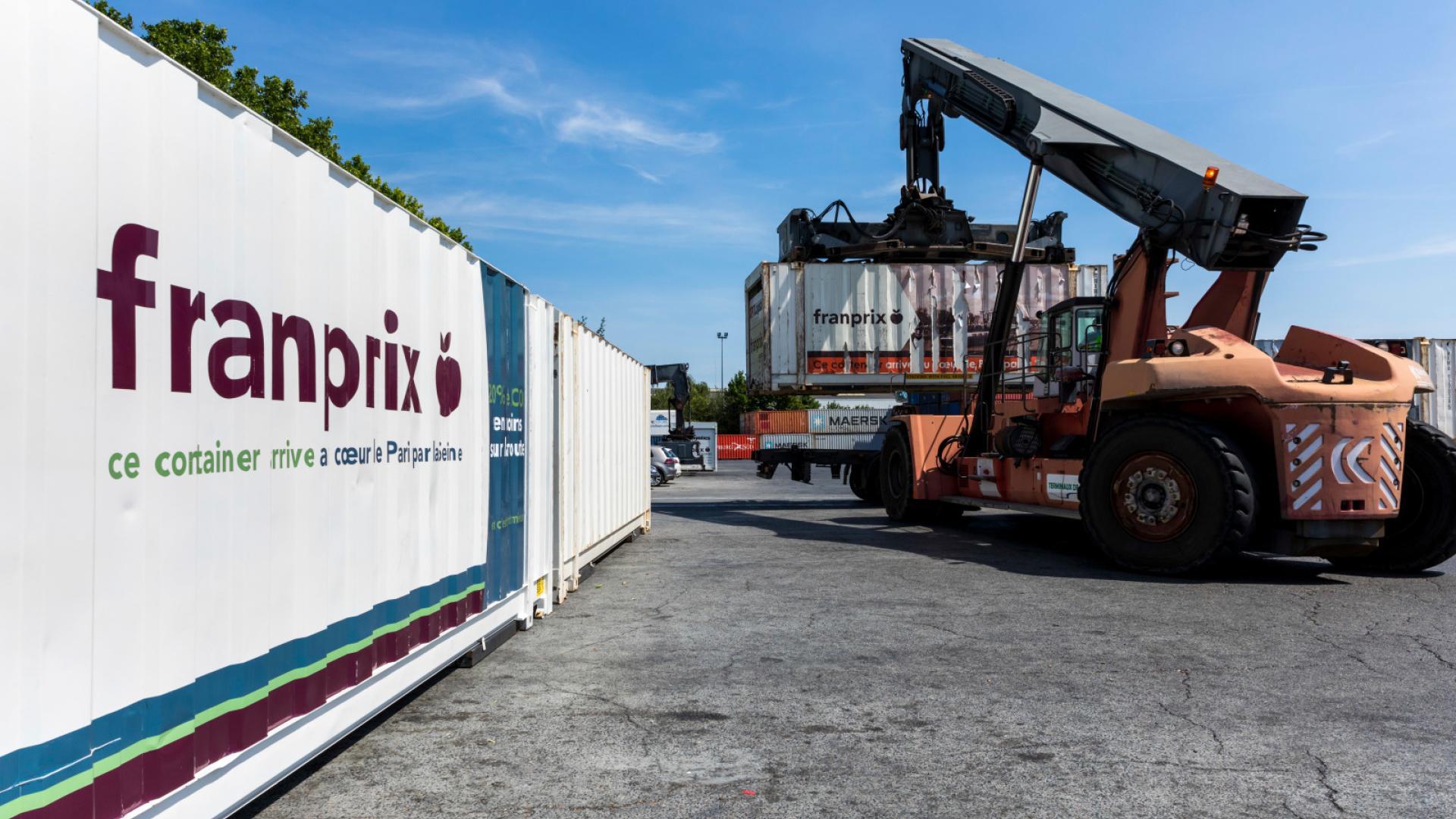
Franprix
Since 2012, 300 stores have been supplied via the river by a daily barge service carrying 45 mobile crates between the ports of Bonneuil-sur-Marne and La Bourdonnais.
Environmental benefits: 4,000 fewer trucks on the roads every year, 234 tonnes of CO2 emissions avoided, along with 23% Nox, 46% CO, 43% hydrocarbons and nearly 90,000 litres of diesel saved.
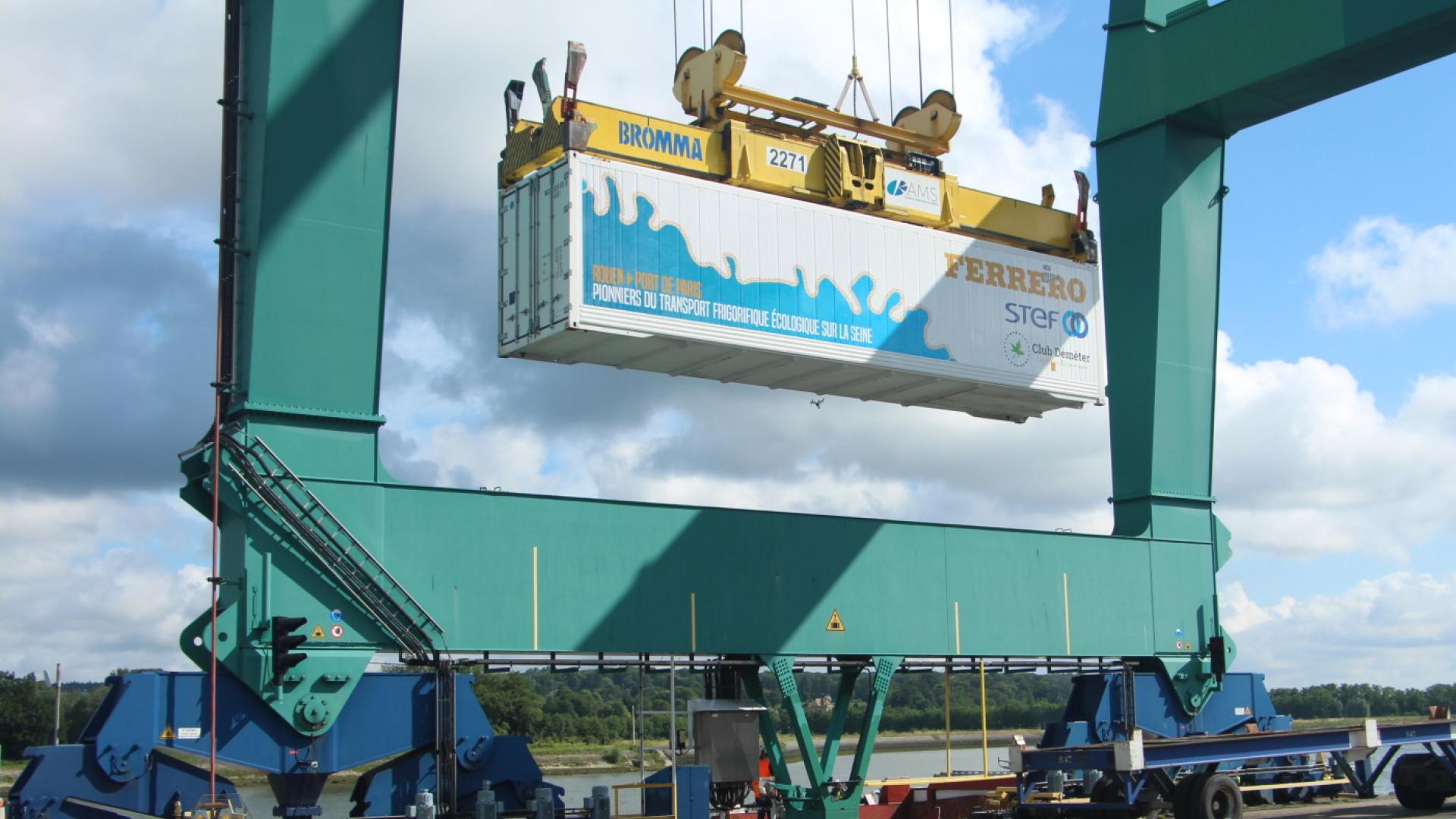
Ferrero
Opened a river goods transport service on the Seine Corridor from Rouen port to Gennevilliers in July 2021. This system is based on weekly delivery of 22 pallets of confectionery to Monoprix’ Wissous warehouse.
This new service enables a reduction from 54 to 19 trucks and the transfer of 65% of all journeys to multimodal transport. Plus a saving of a little over 5 tonnes of CO2/year.
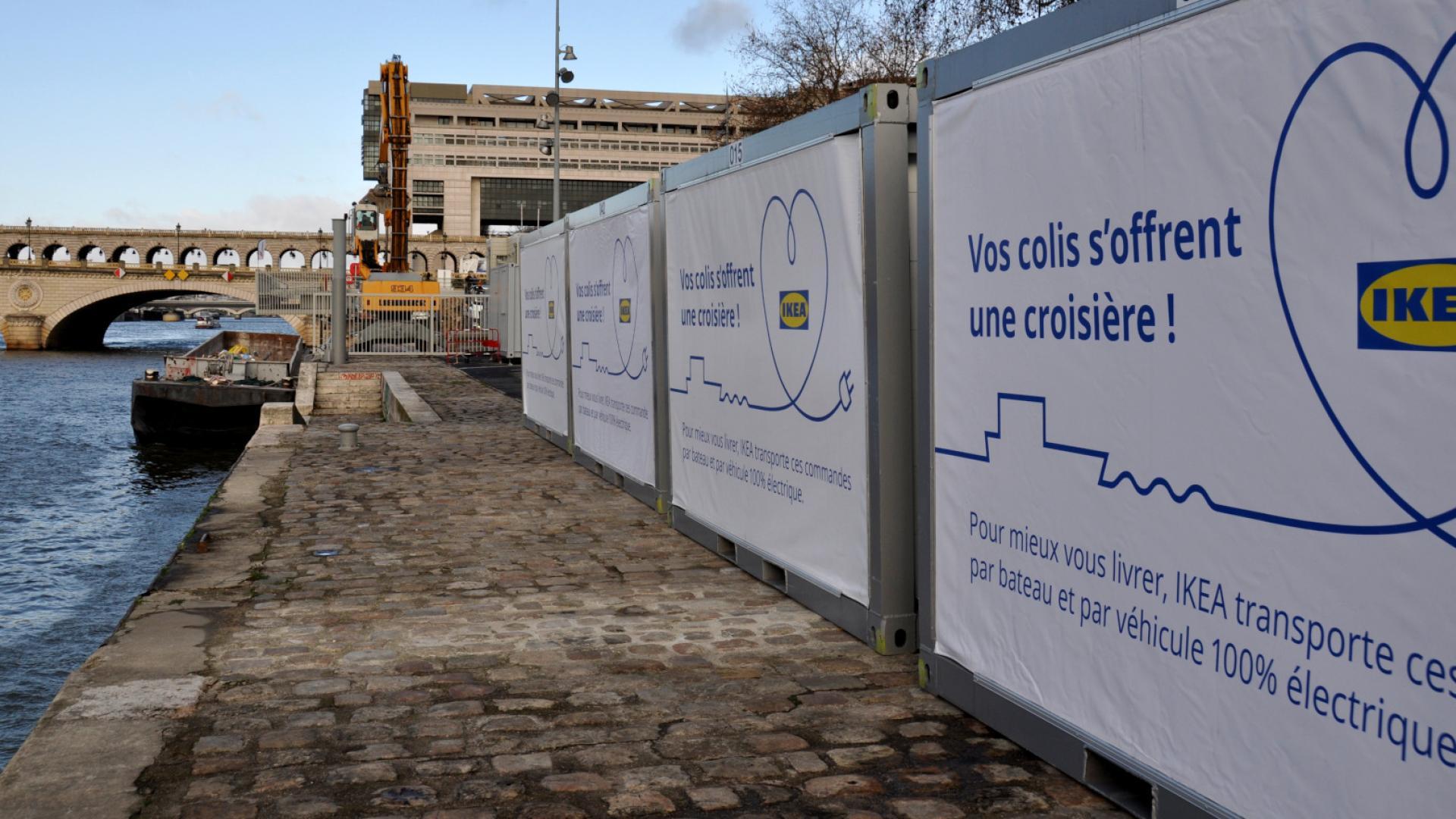
IKEA
In 2021, IKEA France once again showed its trust in HAROPA PORT by developing plans for a new logistics warehouse at the port of Limay-Porcheville. Using this new distribution centre, the Swedish firm has set a goal of developing sustainable logistics in close proximity to the Paris consumer area based on implementation of an urban river shuttle. Starting in 2022, IKEA has put in place an urban river logistics offering coupled with electric vehicle service for final delivery between the port of Gennevilliers and its Paris city stores.