

- ABOUT US
- CARGO
- PASSENGERS
- MULTIMODALITY
- ECOLOGICAL TRANSITION
- INNOVATION

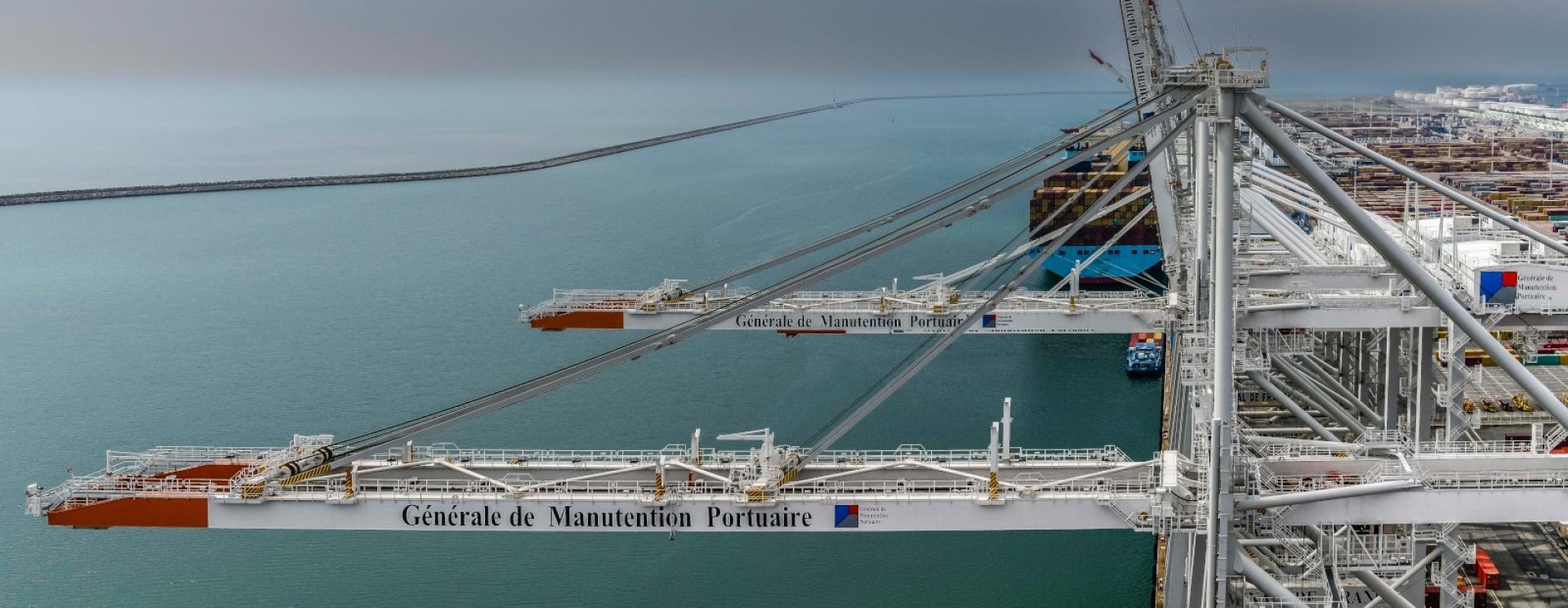
Building a highly effective logistics system
Published on - Updated
Improving Rouen’s maritime access
Launched in 2012, this massive programme to deepen the navigation channel provides an extra metre of draught to be able to accommodate the latest generation of bulk carriers. Alongside this, port infrastructure has been, or is being, adapted to optimise safety for shipping: quay consolidation, increased mooring depths at berth, creation of a safety command centre at Radicatel, and so on. Cost: €207m.
120km
of navigation channel between Honfleur and Rouen
1m
extra draught on both a rising and a falling tide,
7m cu. m.
of dredged material, including 3.5m cu. m. put to good use
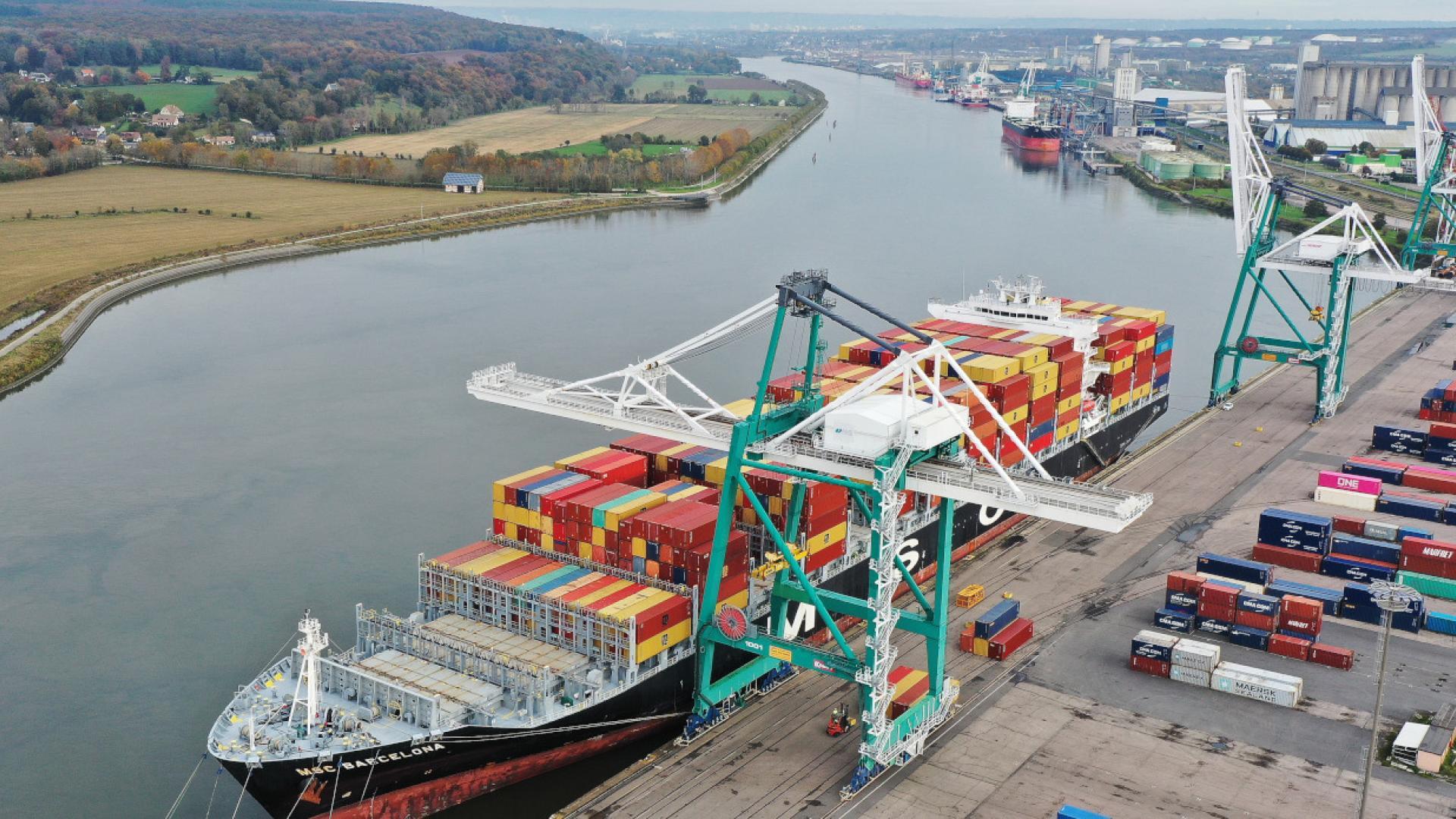
Development of the Radicatel terminal
This site is of strategic importance for economic development across the region as a whole, and the work done here is aimed at adapting the shipping infrastructure for the gauge of the deepened channel in order to accommodate and develop shortsea traffic.
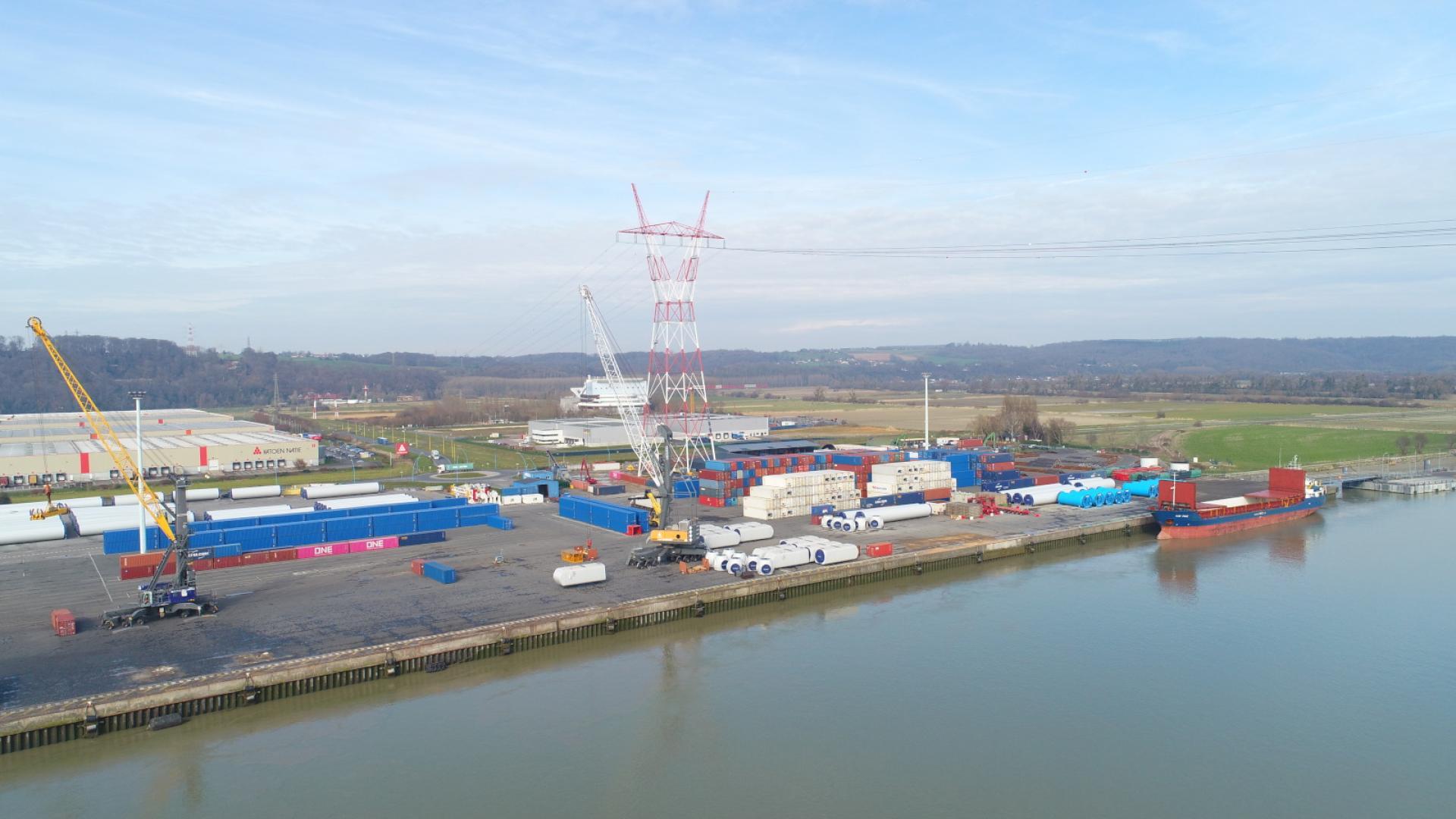
250m
of additional dock length
670m
of quay in total (after works)
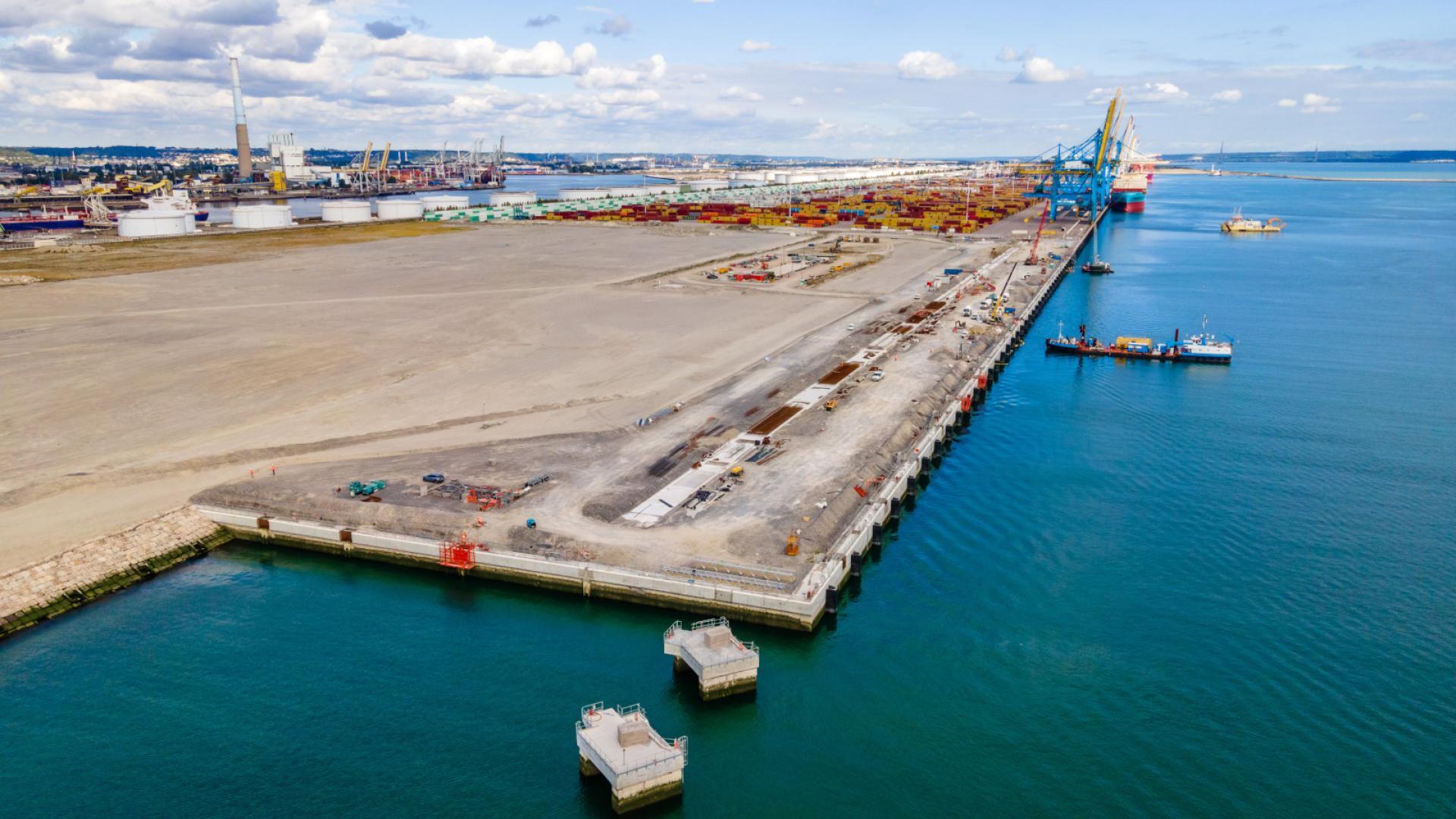
Two new berths at Port 2000
The completion of Phase 3 of Port 2000 involved the construction and concession of berths P11 and P12 to improve service for the major shipping alliances. This project—the only one of its kind in France—features a new 4.2-km-long container terminal located at the mouth of the Seine, free from tidal constraints and connected to the world.
42
hectares and an additional 700m of dock length
700 metres
of additional platform space
2024
for the delivery
Direct river access to Port 2000
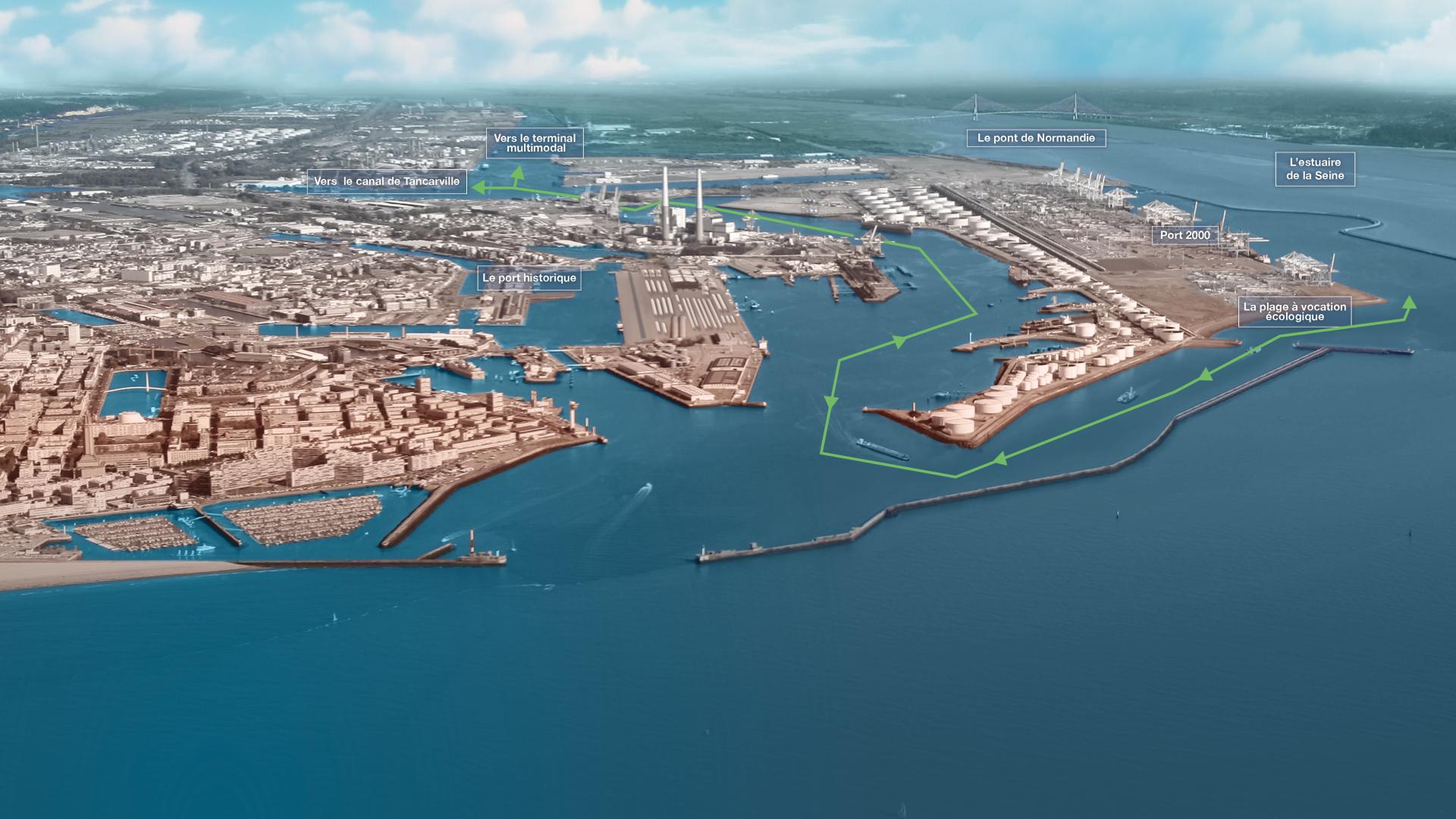
The purpose of this project is to build an access channel known locally as the “cat flap” to give direct access to Port 2000.
€197m
for the cost
100 metres
of channel
1 800 metres
of dyke
Expansion of the Limay-Porcheville multimodal platform
Expansion of Limay-Porcheville port will favour the development of new economic activities in the area and promote the expansion of river transport.
An 32ha
extra
